Sense
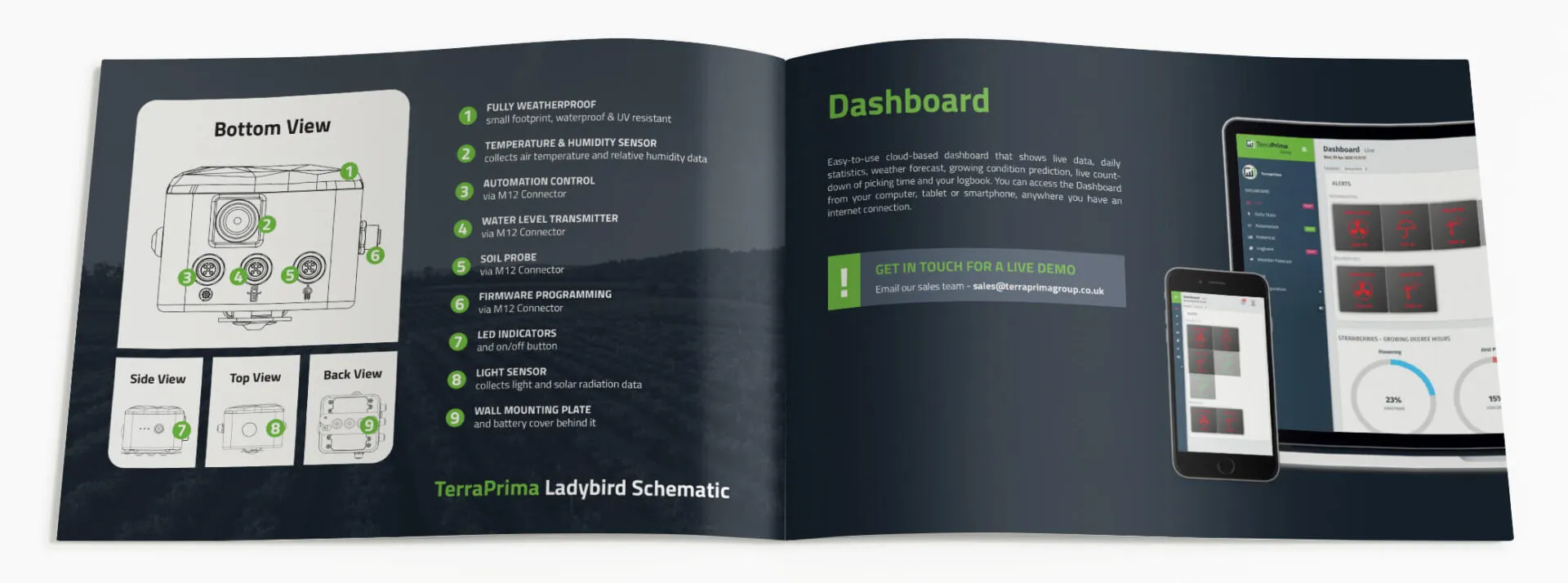
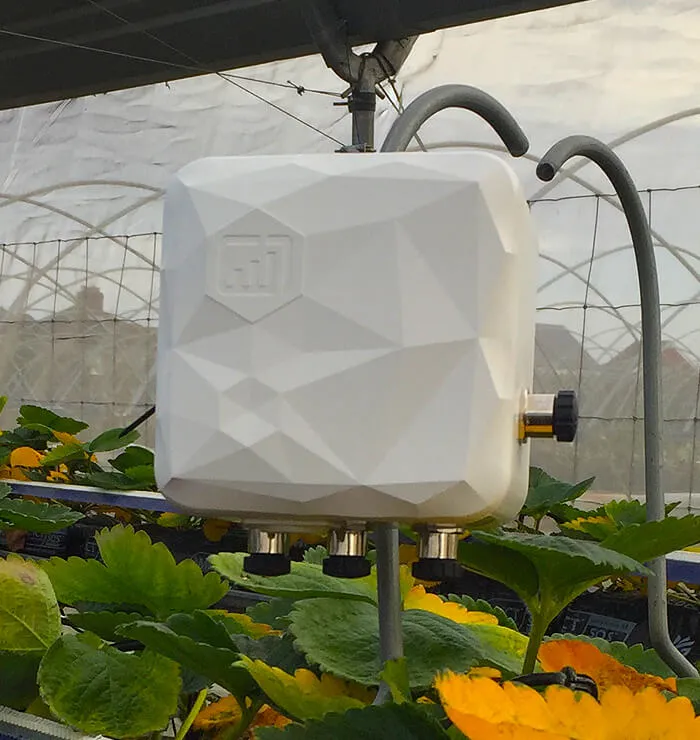
Ladybirds sit beside the plants and record air temperature, humidity, light, soil moisture and soil temperature — inside polytunnels as readily as in the open.

In-field sensors, crop-specific forecasts and threshold alerts that help growers manage temperature, pests, disease and soil moisture through the season.
Above your 24 °C threshold
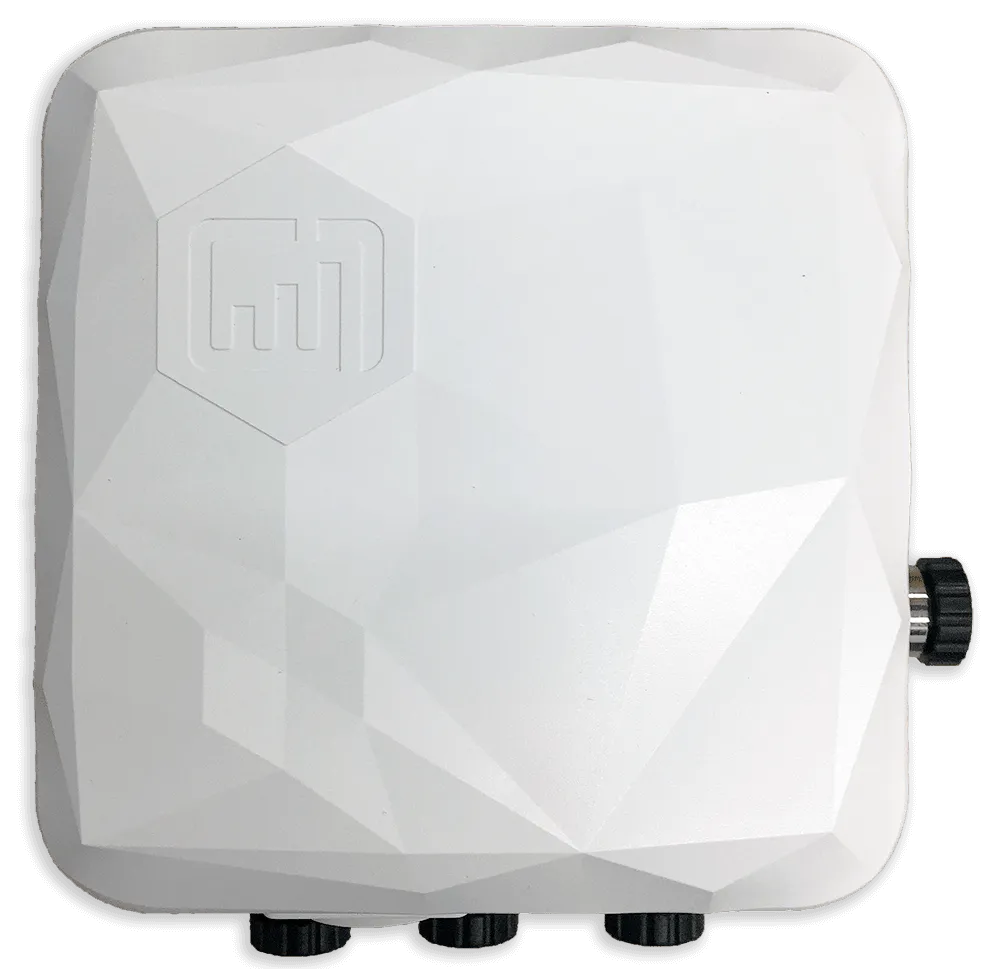
The Ladybird exists to give growers what they need to manage a crop for the conditions of the season actually in front of them.
Excess heat, a cold night, a flush of pests, soil drying out faster than you expected — any of these takes yield off the crop. The Ladybird is an affordable, extendable way to see them coming, and it works under polytunnels as well as out in the open.
We pair accurate monitoring at the plant with a climate forecast for your crop. We calculate Growing Degree Hours, forecast disease pressure, and measure soil moisture so irrigation can be set against the conditions rather than the calendar.
You choose the thresholds. When conditions cross one, an SMS or email reaches you with time left to do something about it.
Ladybirds sit beside the plants and record air temperature, humidity, light, soil moisture and soil temperature — inside polytunnels as readily as in the open.
Those readings feed crop and variety-specific models. We calculate Growing Degree Hours, forecast pest and disease pressure, and estimate your harvest date — far enough ahead to do something about it.
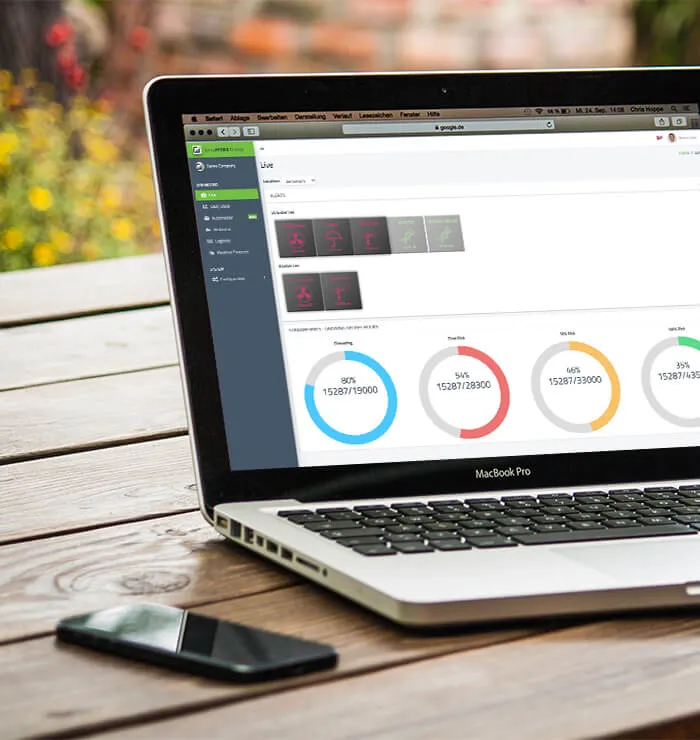
Live and historical data sit in one dashboard. Set your own thresholds and the Ladybird sends an SMS or email in time to act on them — monitoring runs around the clock so you only hear from us when something changes.

Manage temperature more closely, hold pest and disease pressure down, and bring more of the crop through to the spec your buyer is paying for.

Biological and conventional treatments work far better when the timing is right, and only the blocks that need them get treated.

Match water to what the crop actually needs, reduce leaching, and stop paying for protection the crop was never going to use.

Know how many pickers you need and when, and which blocks to prioritise, far enough ahead to book the labour.

Trigger irrigation and other routine tasks from what the crop needs in real time rather than from the plan you wrote in February.

Fewer inputs means less cost and less CO₂. Better quality and longer shelf life mean less of the harvest is thrown away.
Devices in the field, a gateway to get the data out, and a subscription for the dashboard and alerts. Pricing depends on the size of the site — ask us for a quote.
| Item | Includes | Notes |
|---|---|---|
| LadybirdIn-situ sensing and actuation device |
| Compatible with the Delta-T soil moisture and temperature probe, sold separately. Batteries and wall mounting plate included. |
| Ladybird with soil sensorThe Ladybird, supplied with a soil probe |
| Delta-T SM150T soil probe and cable included. Batteries and wall mounting plate included. |
| GatewayConnects your Ladybirds to the cloud |
| One gateway serves the Ladybirds within its range and forwards their readings for processing. |
| SubscriptionDashboard, alerts and support |
| Billed per season. Your agronomist can be given access at no extra charge. |
Using only the water, fuel and crop protection a crop actually needs cuts cost and CO₂ at the same time. Longer shelf life and better quality mean less of the harvest is thrown away. Our work contributes to five of the UN Sustainable Development Goals.




Anything not covered here, write to ladybird@hardwario.com.
Yes. They are built to sit out in the field and are designed to withstand UV, water and dust.
For food grown under polytunnels we recommend two devices per tunnel — one near the door and one in the middle. For outdoor crops, our scientific team will assess the farm free of charge to keep the device count, and your cost, down. As a guide, areas that differ in elevation, soil type, water availability or disease resistance need at least two devices each.
The Delta-T SM150T. For anything else, write to ladybird@hardwario.com and we will tell you where we stand.
Yes. You have full access to the raw field data and can download it from the dashboard.
No, but your agronomist can access your data at no additional charge.
Please do. Send it to ladybird@hardwario.com — customer requests drive most of what we build.
The devices run on ordinary AA batteries, from a supermarket, an electronics shop or online.
Sensor ranges and accuracies, battery life, gateway coverage, and every dashboard screen, set out in the brochure. Tell us where to send it.